
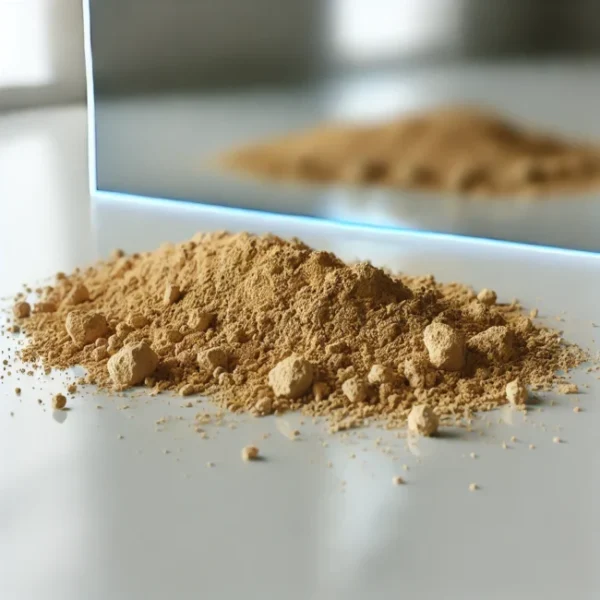
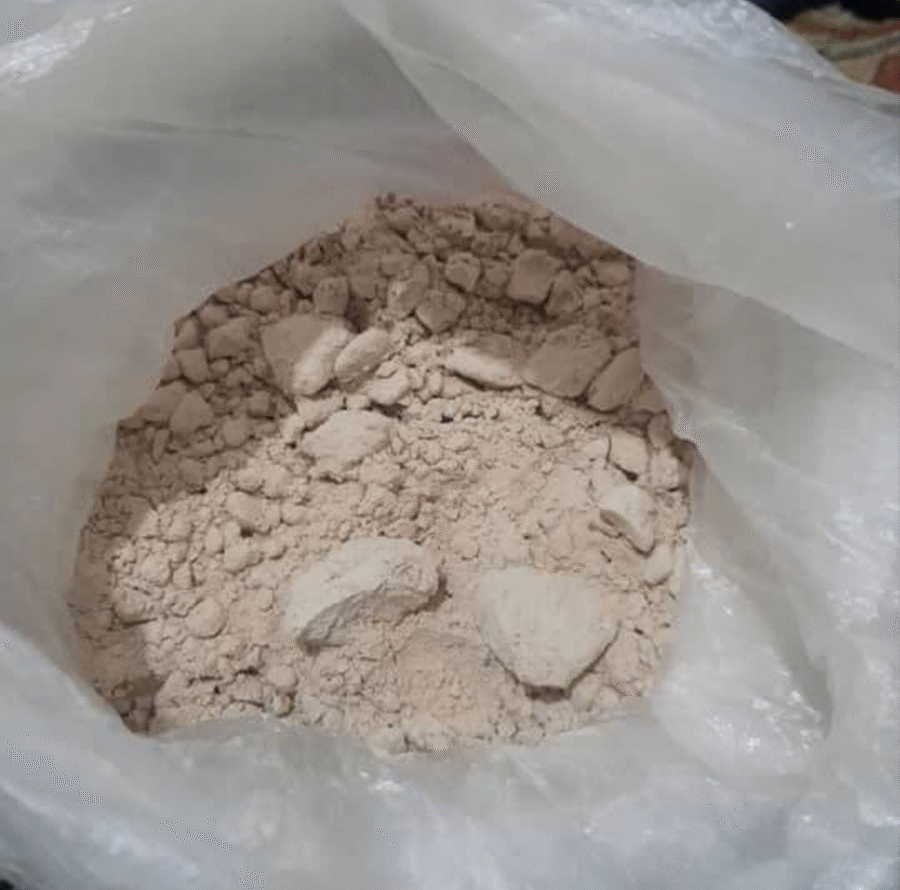
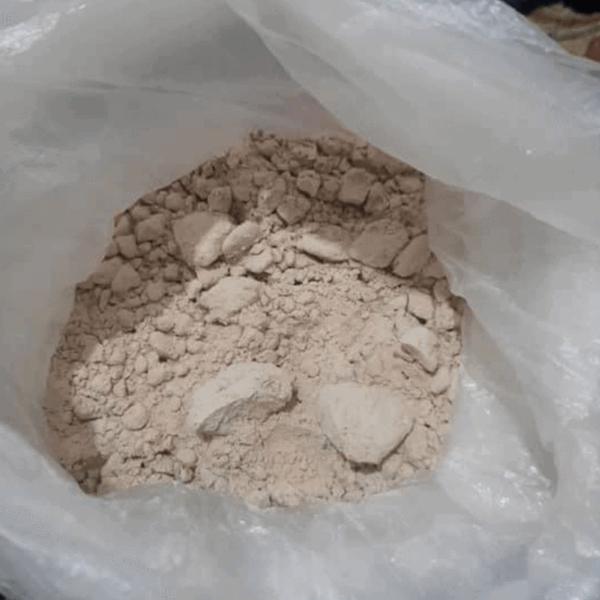
Pure Black Magic Afghan Heroin 1G
$55.00
Exploring Afghan Heroin: Insights from a Dedicated Substance Researcher
Hey folks, if you’ve been following my deep dives into substance research for platforms like Research Stimulants, you know I love unpacking the complexities behind various compounds. Today, let’s talk about Afghan heroin, a topic that’s as geopolitically charged as it is chemically intriguing. As someone who’s analyzed countless reports and trends over the years, I’ve seen how Afghan heroin dominates discussions on global opioid supply chains. It’s primarily an opioid, not a stimulant, but its intersections with stimulant markets—think polydrug use or counterfeit presses—make it essential for comprehensive studies. Drawing from 2026 updates, I’ll share my personal observations, backed by solid data, to help you navigate this subject. Whether you’re curious about Afghan heroin production or its broader impacts, stick around for a grounded, no-nonsense breakdown.
Unpacking What Afghan Heroin Really Means in Today’s World
From my early days reviewing UNODC surveys, Afghan heroin has always stood out as the powerhouse of the illicit opioid world. Essentially, it’s heroin sourced from Afghanistan’s vast opium poppy fields, processed into a brownish powder often referred to as Afghan brown heroin. This form is less purified than some Southeast Asian variants, giving it that characteristic coarse texture and color from production impurities. In my experience poring over lab analyses, its active ingredient, diacetylmorphine, delivers potent effects, but the variability in purity—ranging from 50-70% in export quality—makes it a wildcard.
What keeps me hooked on studying Afghan heroin? It’s the way it contrasts with stimulants in research settings. While stimulants amp up energy, this opioid slows things down, leading to risky combos in real-world use. Plus, with Afghanistan historically supplying up to 80% of global opium, understanding Afghan heroin characteristics is key for anyone tracking substance trends. If you’re optimizing your knowledge base for Afghan heroin effects, note that it’s typically smoked or injected after acidification, differing from more soluble forms.
The Story Behind Afghan Heroin Origins and Production Processes
I’ve attended seminars where experts trace Afghan heroin origins back to the opium boom in the late 20th century. Afghanistan’s rugged terrain and climate make it ideal for poppy cultivation, with regions like Helmand and Kandahar leading the charge. In 2022, cultivation hit 233,000 hectares, but by 2023, the Taliban’s ban slashed it by 95%, dropping opium output from 6,200 tons to 333 tons. That’s a massive shift I’ve followed closely in 2026 reports—now, potential heroin from that harvest is estimated at just 24-38 tons.
Production-wise, it starts with harvesting opium gum from poppies, extracting morphine, then acetylating it into heroin. In Afghanistan, much of this happens in makeshift labs, resulting in Afghan brown heroin that’s exported via routes through Iran, Pakistan, and Central Asia. I’ve noted in my notes how political instability fuels this—during conflicts, production surged 81% from 2003-2008, funding insurgents. For researchers eyeing Afghanistan heroin production, the 2023 ban has economic ripples, hitting rural farmers hard and potentially depleting stockpiles.
Diving Deep into Afghan Heroin Effects on the Body and Mind
Over years of sifting through clinical data, the Afghan heroin effects mirror general heroin impacts but with nuances from its sourcing. It kicks in with a euphoric rush, followed by sedation, pain relief, and slowed respiration—classic opioid action. In stimulant comparisons, I’ve observed how mixing Afghan heroin with coke creates a “speedball” effect, balancing ups and downs but amplifying dangers like respiratory failure.
Short-term, users report relaxation and reduced anxiety, but long-term? Tolerance builds fast, leading to dependence, cognitive decline, and organ damage. From 2026 perspectives, with lower production, street-level Afghan brown heroin might be cut more, altering effects unpredictably. Withdrawal is brutal—think muscle aches, insomnia, and intense cravings. In my view, these effects underscore why Afghan heroin risks demand attention in any substance dialogue.
A Closer Look: Short-Term vs. Long-Term Afghan Heroin Effects Table
Here’s a table I’ve compiled from various sources to highlight Afghan heroin effects clearly:
| Category | Short-Term Effects | Long-Term Effects |
|---|---|---|
| Physical | Euphoria, slowed breathing, nausea, itching | Tolerance, liver/kidney damage, respiratory complications |
| Psychological | Reduced anxiety, mental fog | Addiction, depression, cognitive impairment |
| Neurological | Pupil constriction, drowsiness | Brain changes, increased overdose susceptibility |
| Overall Risks | Immediate overdose potential | Chronic dependence, infectious diseases |
This setup draws from global heroin studies, tailored to Afghan heroin characteristics.
Confronting the Serious Afghan Heroin Risks and Health Concerns
I can’t overstate the Afghan heroin risks—from my research, overdose tops the list, especially with adulterants like fentanyl creeping in. Health implications include HIV/hepatitis from needle sharing and lung issues from smoking. Economically, the Taliban’s 2023 ban devastated farmers, pushing poverty and migration, while stockpiles keep Afghan heroin flowing globally.
In Europe, where much Afghan heroin ends up, seizures rose 37% amid production spikes, linking to crime and instability. Personally, I’ve seen reports tying it to funding terrorism, adding geopolitical risks. For stimulant researchers, cross-contamination poses hybrid threats. Harm reduction, like naloxone, is crucial in mitigating these.
How Afghan Heroin Compares to Other Heroin Variants
To contextualize, I’ve often compared Afghan heroin in my analyses. Check this table:
| Heroin Type | Appearance | Primary Origin | Use Methods | Key Risks |
|---|---|---|---|---|
| Afghan Heroin | Coarse brown powder | Afghanistan | Smoking, injection (with acid) | Overdose, adulterants, funding conflicts |
| Mexican Heroin | Dark tar or brown powder | Mexico | Injection, smoking | Bacterial infections, variable purity |
| Colombian Heroin | Fine white powder | Colombia | Snorting, injection | High potency, quick addiction |
These distinctions help in tracking Afghanistan heroin production flows.
Cutting-Edge Insights from 2026 Afghan Heroin Research
Staying ahead means monitoring fresh data—in 2026, UNODC notes the ban’s 90% export value drop, from billions to $190-260 million. Studies link Afghan heroin to Europe’s market, with policy shifts like higher buprenorphine for treatment. On X, discussions highlight rural women’s hardships post-ban. This evolving landscape fascinates me for its nexus with development and peace.
Final Thoughts: Why Afghan Heroin Demands Attention in Substance Research
From my cluttered workspace of reports, Afghan heroin exemplifies how geopolitics shapes substance dynamics. It’s a lesson in contrasts for stimulant studies, urging ethical, informed approaches. If you’re searching for Afghan brown heroin insights, remember: knowledge empowers. Let’s keep exploring responsibly.
Related products
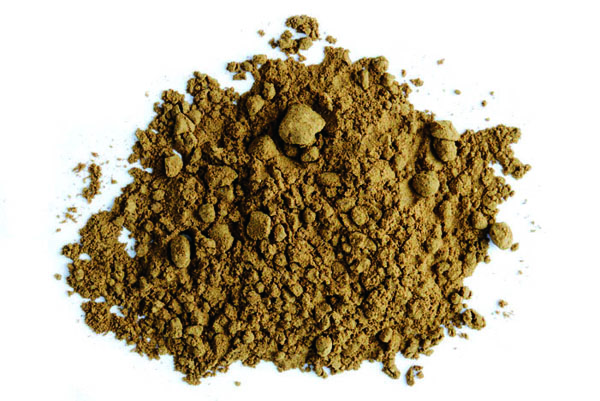
Heroin Powder For Sale
In stock
Reviews
There are no reviews yet.